What is allergic rhinitis?
Allergic rhinitis is an inflammation of the nasal mucosa mediated by immunoglobulin E (IgE), triggered by contact with allergens in the environment. It is one of the most common chronic diseases in children, affecting approximately 20-30% of the pediatric population.
It is classified into seasonal allergic rhinitis (pollinosis — triggered by pollens) and perennial allergic rhinitis (triggered by dust mites, molds, animal dander). It is often associated with bronchial asthma, allergic conjunctivitis, and atopic dermatitis.
Symptoms
The symptoms of allergic rhinitis in children are characteristic and include:
- Sneezing in bursts — especially in the morning or upon contact with the allergen
- Watery rhinorrhea — clear, abundant nasal discharge
- Nasal congestion — bilateral nasal obstruction, with mouth breathing
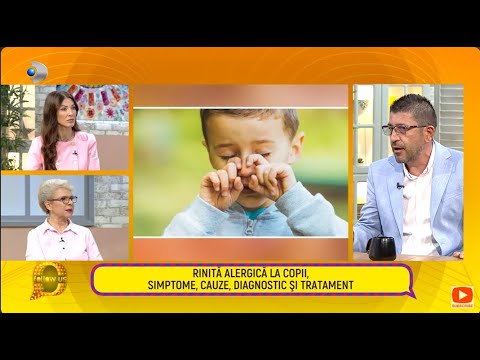
- Intense nasal itching — the child frequently rubs the nose ("allergic salute")
- Ocular itching and tearing — associated allergic conjunctivitis
- Allergic shiners — periorbital hyperemia due to venous congestion
- Dry cough — from pharyngeal irritation and posterior nasal drip
- Nighttime snoring — due to nasal mucosal congestion
- Transverse nasal crease — a horizontal crease on the nose from repeated rubbing
Causes and triggers
The main allergens responsible in children:
Seasonal inhaled allergens
- Grass pollens (May-July)
- Tree pollens (March-May)
- Weed pollens — ragweed (August-October)
Perennial inhaled allergens
- House dust mites (Dermatophagoides)
- Animal dander (cat, dog)
- Molds (Alternaria, Cladosporium)
- Cockroaches
Risk factors
- Family history of atopy (asthma, eczema, allergic rhinitis in parents)
- Early exposure to cigarette smoke
- Polluted urban environment
Diagnosis
The diagnosis of allergic rhinitis in children involves:
- Detailed medical history — seasonality, triggers, family history of atopy
- ENT examination — pale, edematous nasal mucosa, hypertrophied inferior turbinates
- Nasal endoscopy — evaluation of the mucosa and exclusion of complications (sinusitis, polyps)
- Skin prick tests — the gold standard method for identifying specific allergens
- Specific serum IgE — an alternative to skin tests, useful in young children
- Total IgE — indicative, not diagnostic
Skin prick tests can be performed from the age of 2-3 years and are essential for identifying the responsible allergens and establishing a personalized treatment plan.
Treatment
Allergen avoidance measures
- Using anti-dust mite covers for mattress and pillow
- Washing bed linen at temperatures above 60°C
- Maintaining humidity below 50% in the home
- Avoiding pets in the bedroom
- Monitoring pollen levels and limiting exposure during critical periods
Medical treatment
- Non-sedating oral antihistamines — cetirizine, loratadine, desloratadine (from 6 months of age)
- Nasal corticosteroids — mometasone, fluticasone (from 2-3 years of age) — first-line treatment
- Antileukotrienes — montelukast, useful in allergic rhinitis associated with asthma
- Saline nasal lavage — an important adjunct in all forms
- Sodium cromoglycate — prophylactic, in mild forms
Specific immunotherapy (desensitization)
Sublingual or subcutaneous immunotherapy is indicated for children over 5 years of age with moderate-to-severe allergic rhinitis, confirmed by allergy testing, in whom symptomatic treatment does not provide sufficient control. It is the only treatment that modifies the natural course of allergic disease.
When to see a doctor
- Nasal symptoms persist for more than 4 weeks
- The child also has chronic cough or wheezing (suspicion of asthma)
- Antihistamine treatment does not relieve symptoms
- Complications arise: sinusitis, otitis, sleep disorders
- You wish to have allergy testing performed to identify the allergens
Complications
- Chronic sinusitis — sinus inflammation due to obstruction of the drainage ostia
- Serous otitis — from tubal mucosal edema and Eustachian tube dysfunction
- Bronchial asthma — allergic rhinitis is a major risk factor for developing asthma
- Adenoid hypertrophy — chronic allergic stimulation promotes adenoid growth
- Sleep disorders and poor school performance
- Nasal polyposis — rare in children, but possible in severe forms
Suspect allergic rhinitis in children? Schedule a consultation for diagnosis and a personalized treatment plan.